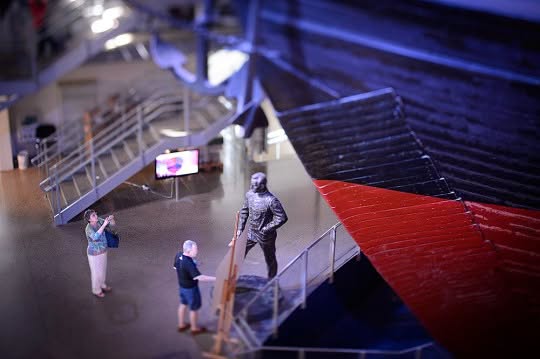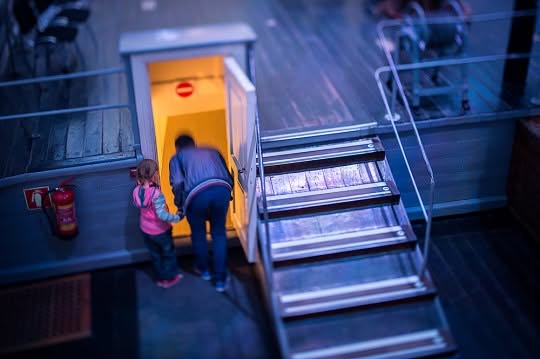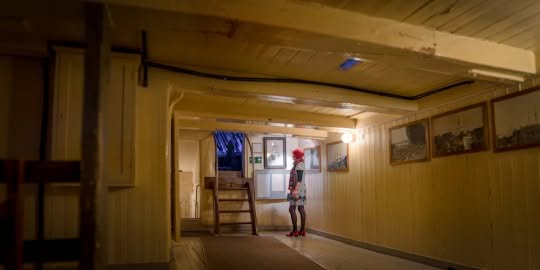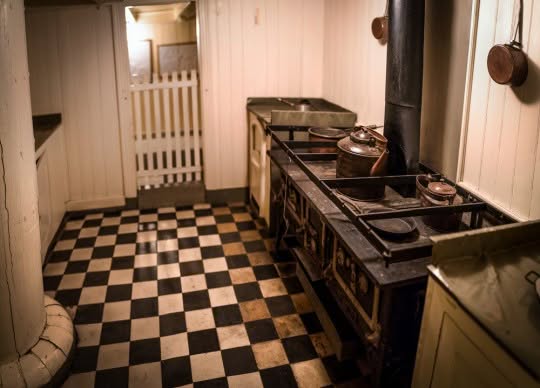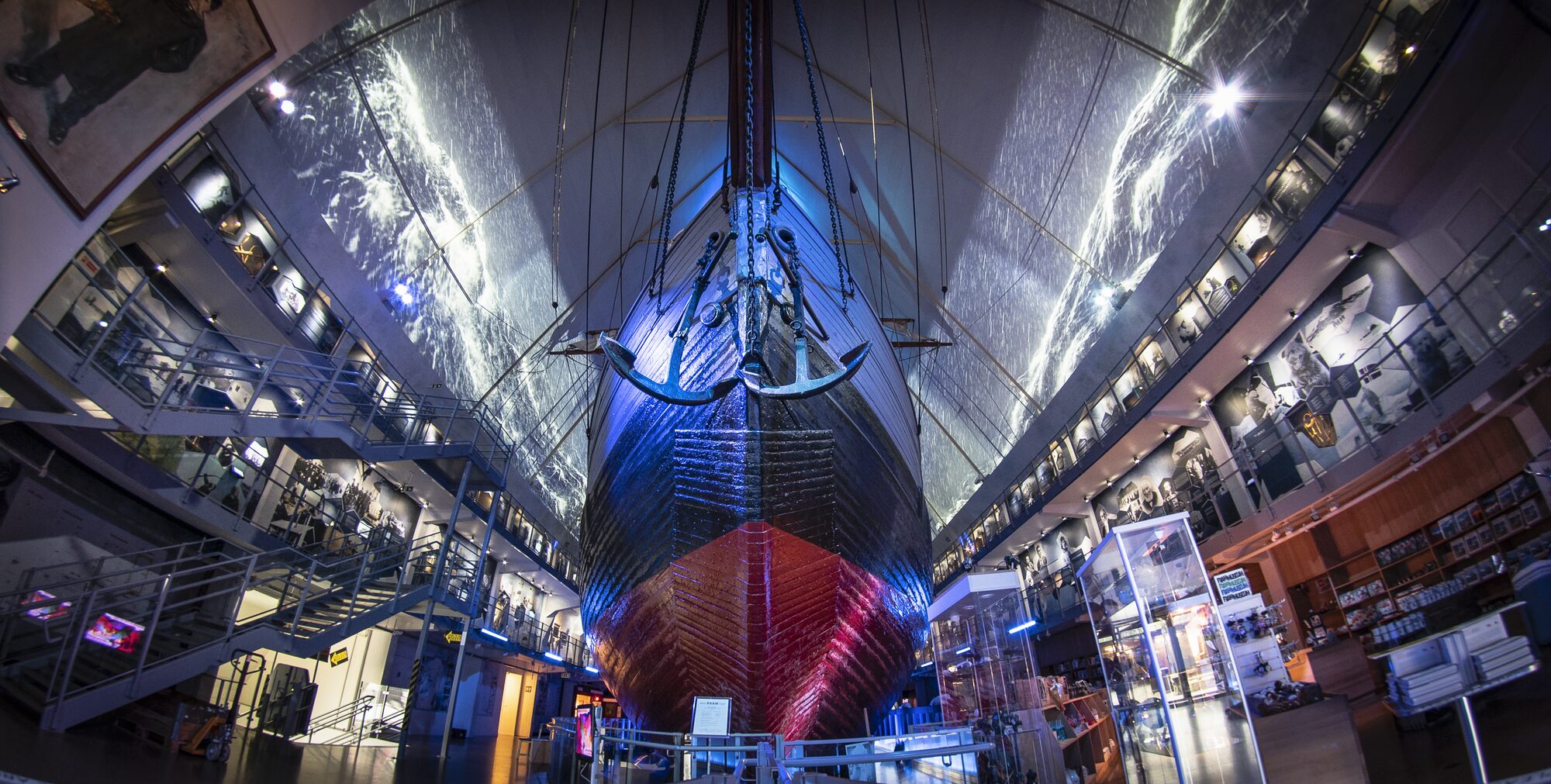
The centerpiece of the museum is the world´s strongest wooden ship, the polar ship Fram. The public can go on board and take a look around in her cabins, lounges, cargo hold and engine room.
We are proud to present the mighty Fram.
After Fridjof Nansens first expedition, the ship was taken down to Colin Archers’ yard and an extra deck was added. This made the living conditions more comfortable. She was also fitted and redesigned for the third expedition under Roald Amundsen, but is now in the state and shape she was under Otto Sverdrup’s command.
Otto Sverdrup was appointed the first chairman of the Fram Committee. An attempt to raise money to restore the ship had failed, and the committee found that there was no way of saving the Fram. Sverdrup, however, disagreed and stated: “We are not going to give up – this is when it all starts!”. Needless to say, we are very happy he persisted in chasing the funding to create the Fram Museum.
Go on board and explore one of Norway´s definitive national treasures – the polar ship Fram – the strongest wooden ship ever built, breaking all previous farthest north and farthest south records. The new 270º surround film experience runs from the deck of Fram continuously all day.
In 2018 we rigged Fram for expedition, giving her a facelift on the inside, opening cabins to the public, rigging the workshops and engine room, reorganizing the hold, adding original objects, life size mannequins, audio and visual experiences, and interactive exhibition.
For this, the Fram Museum won the Outstanding Achievement THEA award in 2020.
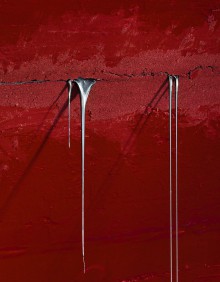
Seeping tar
Seeping tar from the Fram's hull can still be seen over 80 years after she was dry docked on Bygdøynes.
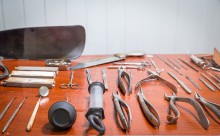
Medical equipment
A display of medical equipment used aboard Fram. Fram had a special effect on the ship doctors; Henrik Greve Blessing was doctor under Nansen's command, and grew more and more fond of the morphine in the medical chest. Sverdrup's top medic, Johan Svendsen, also enjoyed both morphine and opium from the supplies, and ended up shooting himself i the head on a sleding trip.

Oscar Wisting's cabin
The crew cabins are laid decked with their various personal belongings. Oscar Wisting was, in the last years of his life, involved in the fate of the Fram, and it was he who captained the ship on its last journey, from Horten to Bygdøy in Oslo. During the work at the Fram Museum on 4 December 1936, he died alone in his old cabin, probably from a heart attack. Some claim to have felt the prescence of Wisting still on the ship…

The Fram's binnacle
A binnacle is a waist-high case or stand on the deck of a ship, generally mounted in front of the helmsman, in which navigational instruments are placed for easy and quick reference as well as to protect the delicate instruments. Its traditional purpose was to hold the ship's magnetic compass, mounted in gimbals to keep it level while the ship pitched and rolled. A binnacle may be subdivided into sections and its contents typically include one or more compasses and an oil lamp or other light source.